
Flatwork Ironer Buying Guide
Flatwork Ironer Buying Guide
Choosing the right flatwork ironer or commercial rotary ironer is essential for improving throughput, reducing labour costs and maintaining professional linen standards. This guide helps you determine the correct roller width, heating type and capacity for your operation.
Browse Commercial Rotary IronersHow to Choose the Right Commercial Rotary Ironer
Choosing the right flatwork ironer is critical for improving laundry productivity, reducing labour costs and maintaining professional linen standards. Whether you operate a hotel, care home, commercial laundry or linen hire business, selecting the correct commercial rotary ironer ensures long-term efficiency and return on investment.
What Is a Flatwork Ironer?
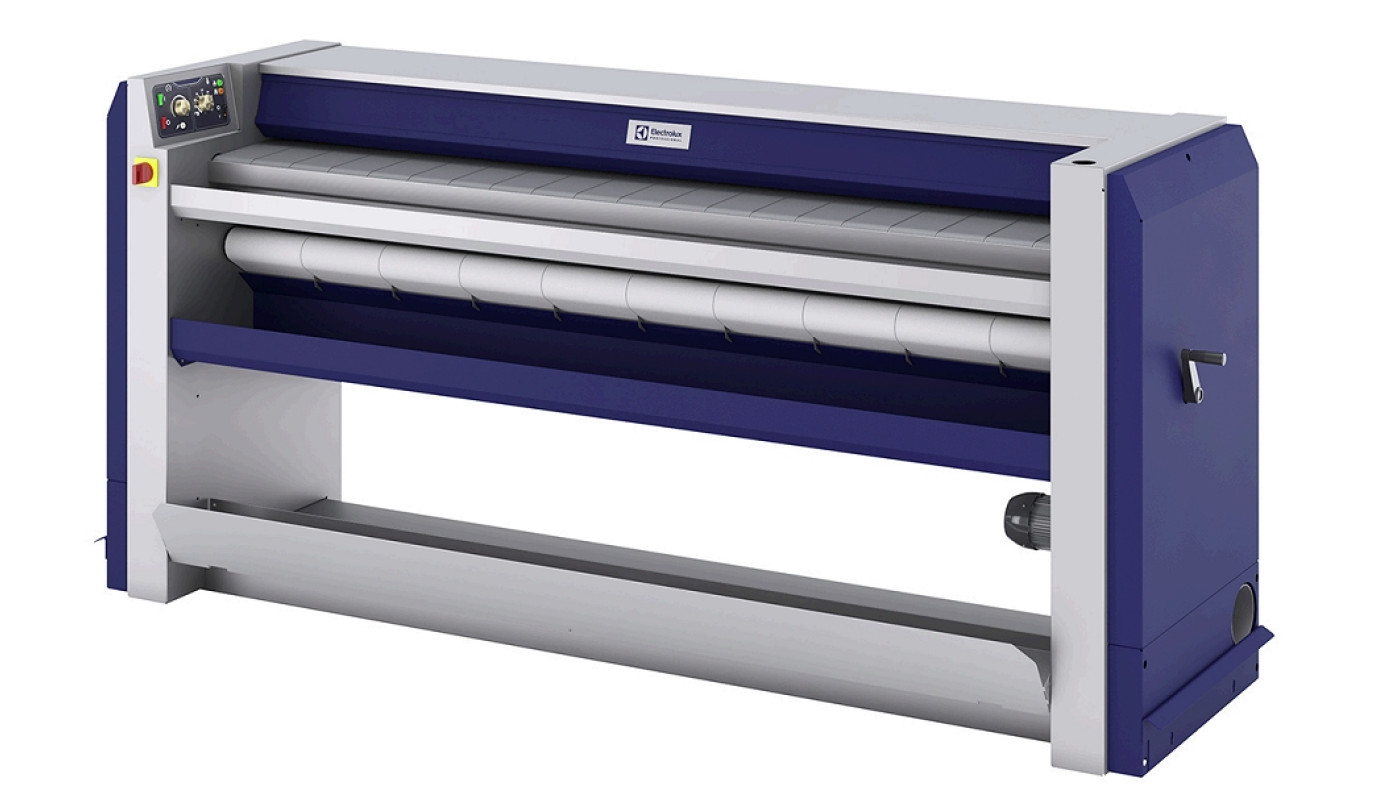
A flatwork ironer, also known as a commercial roller ironer or industrial rotary ironer, is designed to iron large volumes of flat linen such as sheets, duvet covers, pillowcases and tablecloths. Unlike manual pressing, rotary ironers use a heated roller system to process linen quickly, evenly and at scale.
Step 1: Calculate Your Daily Linen Volume
The most important factor when choosing a commercial flatwork ironer is throughput. Consider:
- Number of rooms or beds
- Daily sheet changes
- Peak seasonal demand
- Staffing levels
High-volume operations such as large hotels or industrial laundries require wider roller widths and higher output capacity. Smaller hospitality sites may benefit from compact rotary ironers with lower energy consumption.
Step 2: Choose the Correct Roller Width
Roller width determines the maximum linen size that can be processed. Standard commercial widths typically range from 1000mm to over 3000mm.
Wider rollers increase throughput but require more space and higher power supply. Correct sizing ensures efficient flatwork processing without bottlenecks.
Step 3: Heating Type – Electric, Gas or Steam?
Heating configuration impacts operating cost and installation requirements.
- Electric: Simple installation, ideal for smaller sites.
- Gas: Lower long-term running costs for higher volume use.
- Steam Heated: Suitable for facilities with central boiler systems.
Energy efficiency should be assessed alongside utility availability and long-term operating expenditure.
Step 4: Consider Space & Installation Requirements
Commercial rotary ironers require adequate floor space, ventilation, electrical capacity and, where applicable, water treatment systems.
Installation should always be carried out by a qualified engineer in accordance with manufacturer requirements to protect warranty cover.
Step 5: Water Quality & Maintenance
For steam or boiler-fed systems, water treatment is essential. Limescale damage can significantly reduce performance and void warranty coverage.
Regular servicing and proper maintenance ensure optimal productivity and extend equipment lifespan.
Flatwork Ironer ROI: Is It Worth the Investment?
A correctly specified industrial flatwork ironer can:
- Reduce labour time by up to 60–70%
- Improve linen presentation consistency
- Increase output capacity without additional staffing
- Lower per-item processing cost
Over time, commercial roller ironers deliver measurable return on investment through improved workflow efficiency and reduced manual handling.
Need Help Choosing the Right Rotary Ironer?
At The Ironing Equipment Company, we specialise in supplying commercial ironing equipment tailored to hotels, care homes and laundries across the UK.
Explore our full range of commercial rotary ironers here or call 0800 955 0245 for expert advice and a tailored quotation.
Flatwork Ironer Sizing Calculator
Use this quick calculator to estimate the minimum roller width and a sensible throughput band based on your linen type and daily volume. It’s a planning tool — we’ll confirm specification based on your workflow, drying method and site utilities.
Note: Final sizing depends on roller diameter, heating type (electric/gas/steam),
linen moisture content, feed method and site constraints.
We’ll confirm the correct model for your operation.